

Longevity Movement Routine
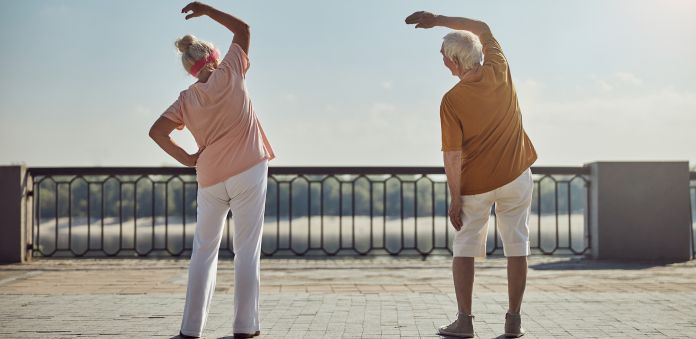
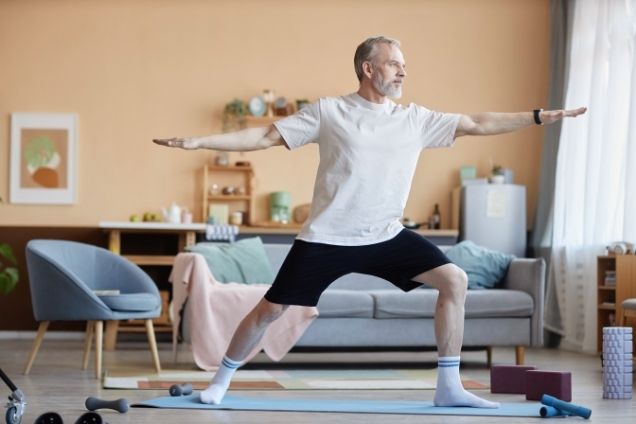
Living a long life is about more than longevity — it’s about quality of life. One of the strongest predictors of how long and how well you live is movement. But this isn’t about extreme workouts or high intensity training. It’s about building a consistent movement routine that keeps your body strong, mobile, balanced, and resilient at every stage of life.A Longevity Movement Routine is a sustainable, well-rounded approach to exercise that supports your muscles, joints, nervous system, and overall health — helping you stay active and independent for years to come.
Why Movement Matters for Longevity
Regular movement supports nearly every system in your body:
– Muscles stay stronger longer
– Joints remain stable and mobile
– Balance and coordination improve
– Bone density is maintained
– Metabolism stays active
– Energy and mental clarity increase
Movement helps you not only live longer, but live better.
Core Components of a Longevity Movement Routine
A well-designed routine includes multiple elements that work together:
1. Functional Strength
Strength training helps preserve muscle mass and bone health while improving your ability to perform daily activities like standing, lifting, and climbing stairs.
Examples:
– Sit-to-stands
– Step-ups
– Bodyweight squats
– Resistance band exercises
– Light weight training
Strength is a foundation for independence and injury prevention.
2. Joint Mobility
Mobility work maintains healthy range of motion in your joints. When joints move well, movements feel smoother and more comfortable.
Examples:
– Shoulder circles
– Hip openers
– Ankle mobility drills
– Gentle dynamic stretching
Consistent mobility work reduces stiffness and supports long-term joint health.
3. Balance and Stability
Balance training strengthens the connection between your brain and muscles, improving coordination and reducing fall risk.
Examples:
– Single-leg stands
– Heel-to-toe walking
– Core stabilization exercises
– Controlled weight shifts
Good balance builds confidence in everyday movement.
4. Active Recovery and Low-Impact Movement
Not every day needs to be intense. Light, consistent movement improves circulation and helps the body recover.
Examples:
– Walking
– Cycling
– Gentle yoga
– Stretching
– Recreational activities like gardening or hiking
This type of movement keeps your body engaged without strain.
Sample Weekly Longevity Routine
– Day 1: Functional strength training (20–30 minutes)
– Day 2: Mobility and flexibility work (10–15 minutes)
– Day 3: Active movement like walking (30–45 minutes)
– Day 4: Strength and balance exercises
– Day 5: Core and stability training
– Day 6: Recreational movement or outdoor activity-
– Day 7: Light recovery and mobility
This structure can be adjusted based on your fitness level and schedule. The key is consistency.
Benefits Over Time
Following a Longevity Movement Routine may lead to:
– Increased strength and endurance
– Better balance and coordination
– Improved joint comfort
– Reduced stiffness
– Higher energy levels
– Greater independence
Small, consistent efforts create lasting results.